
A New Milestone for Our Molded Pulp Journey: Joining IMFA
Connecting with the global molded fiber community to learn, collaborate, and shape the future of sustainable packaging.

Connecting with the global molded fiber community to learn, collaborate, and shape the future of sustainable packaging.
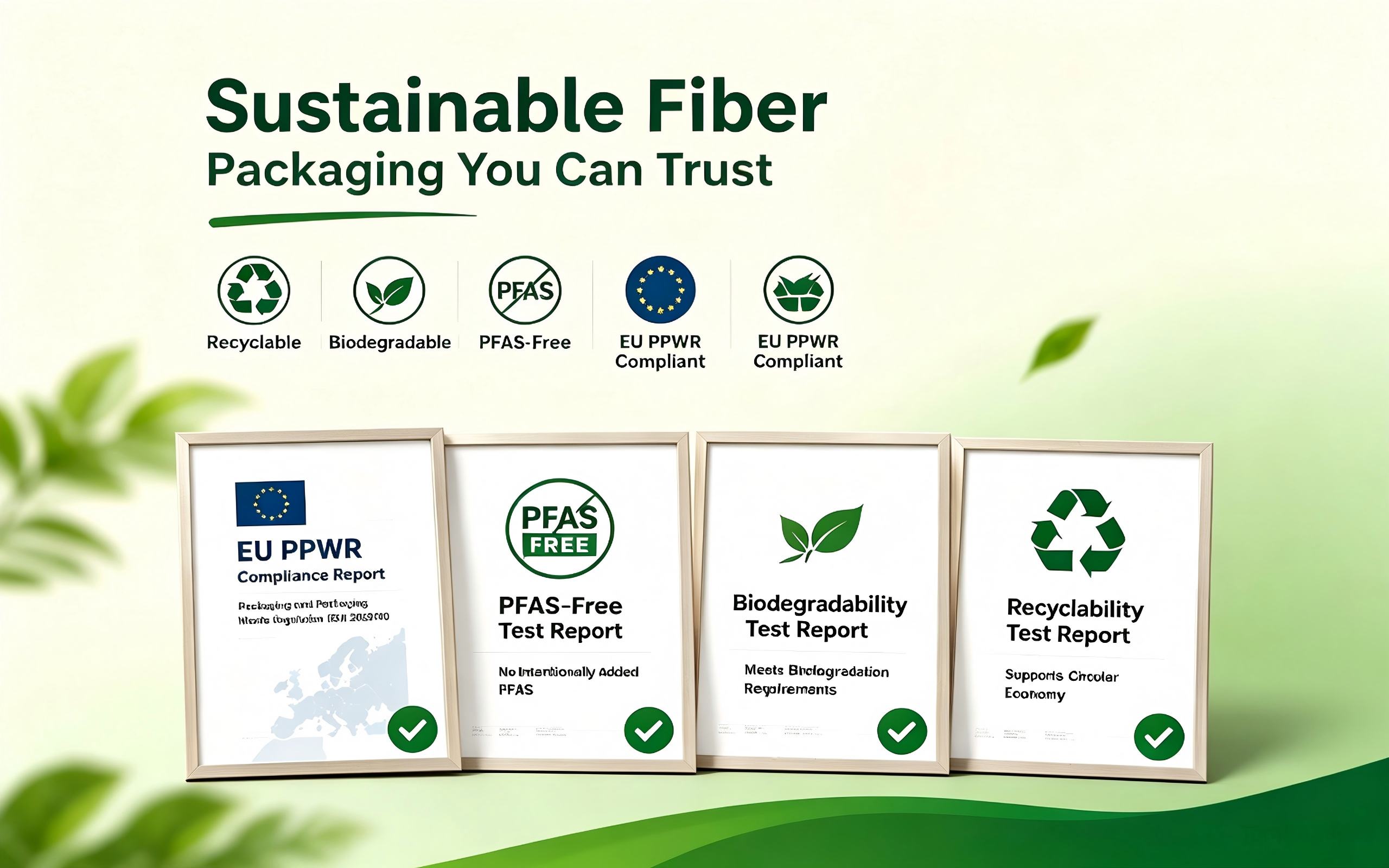
Our latest testing results cover EU PPWR, PFAS-Free, biodegradability, and recyclability, highlighting the future of sustainable molded pulp packaging.
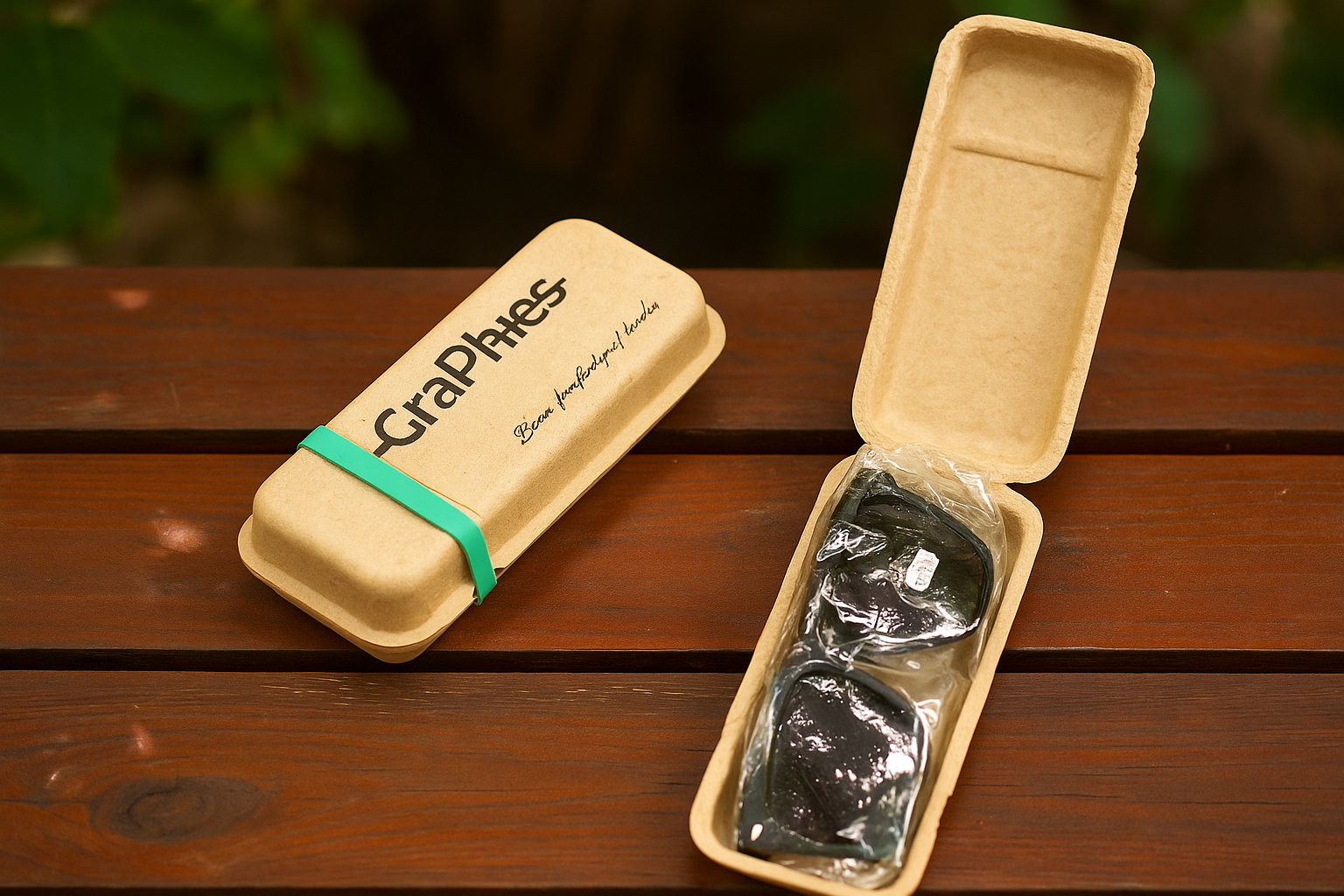
Molded pulp packaging has evolved beyond simple egg cartons and protective trays, offering a wide range of solutions such as trays, inserts, clamshells, boxes, and custom protective components. As brands increasingly seek sustainable, eco-friendly packaging alternatives to plastic and foam, choosing the right solution requires considering product shape, protection needs, outer packaging, order volume, cost, and the molded pulp manufacturing process.
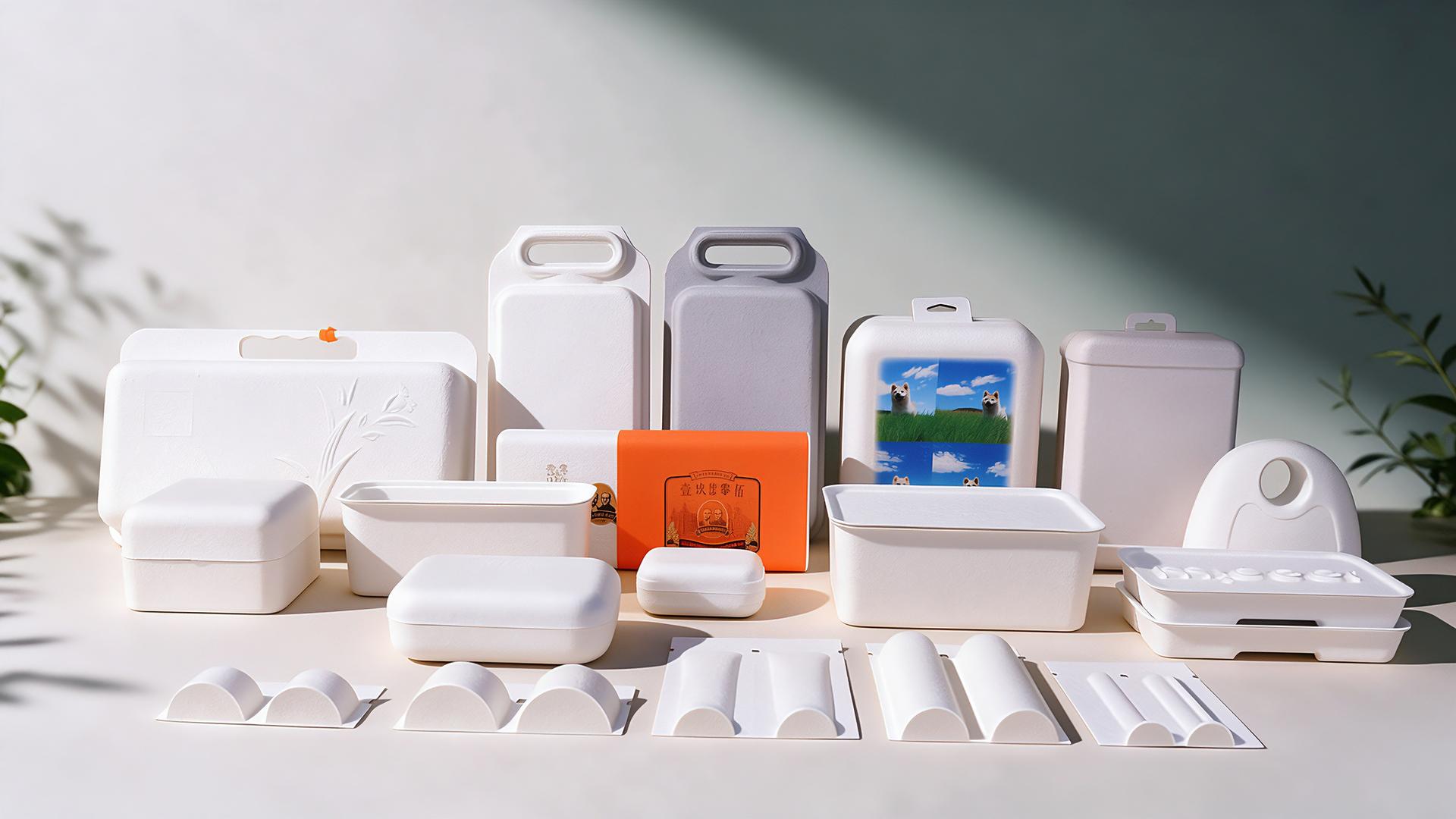
Mold design decides how a pulp tray fits, cushions, and holds its dimensions. Here are seven factors to check before tooling starts.
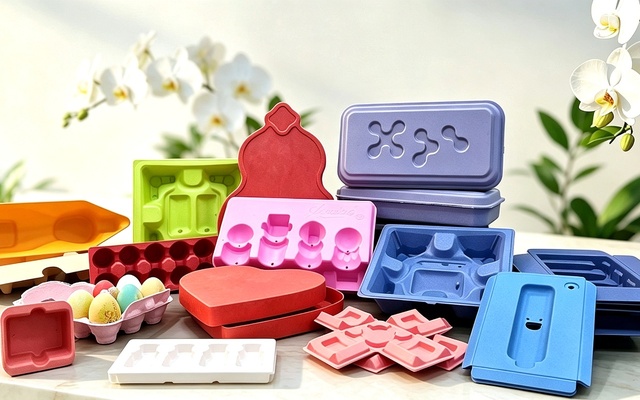
Designing a custom molded pulp tray involves more than simply fitting a product. It requires balancing product protection, dimensional accuracy, material efficiency, and production feasibility. Whether for electronics, cosmetics, glass bottles, or consumer goods, this guide covers the key design steps, required information, material selection, and molding processes to help you develop an effective molded pulp tray for mass production.
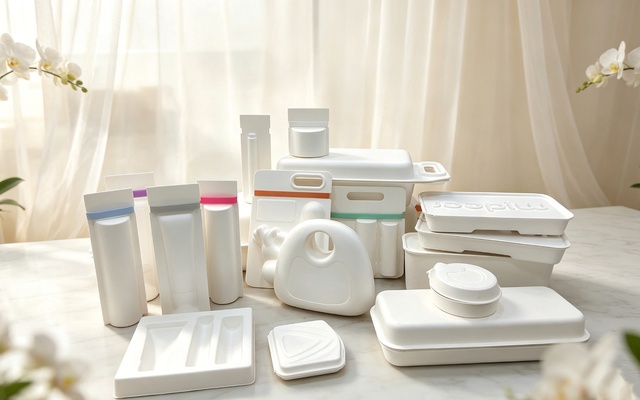
Have you ever wondered how molded pulp packaging is made? Unlike traditional paper packaging, molded pulp products are formed into specific three-dimensional shapes using molds. From the initial product design to mold making, pulp forming, pressing, drying, and quality inspection, every step can affect the final packaging performance. Understanding the molded pulp packaging manufacturing process can help brands and purchasing teams make better decisions when developing custom molded pulp packaging.
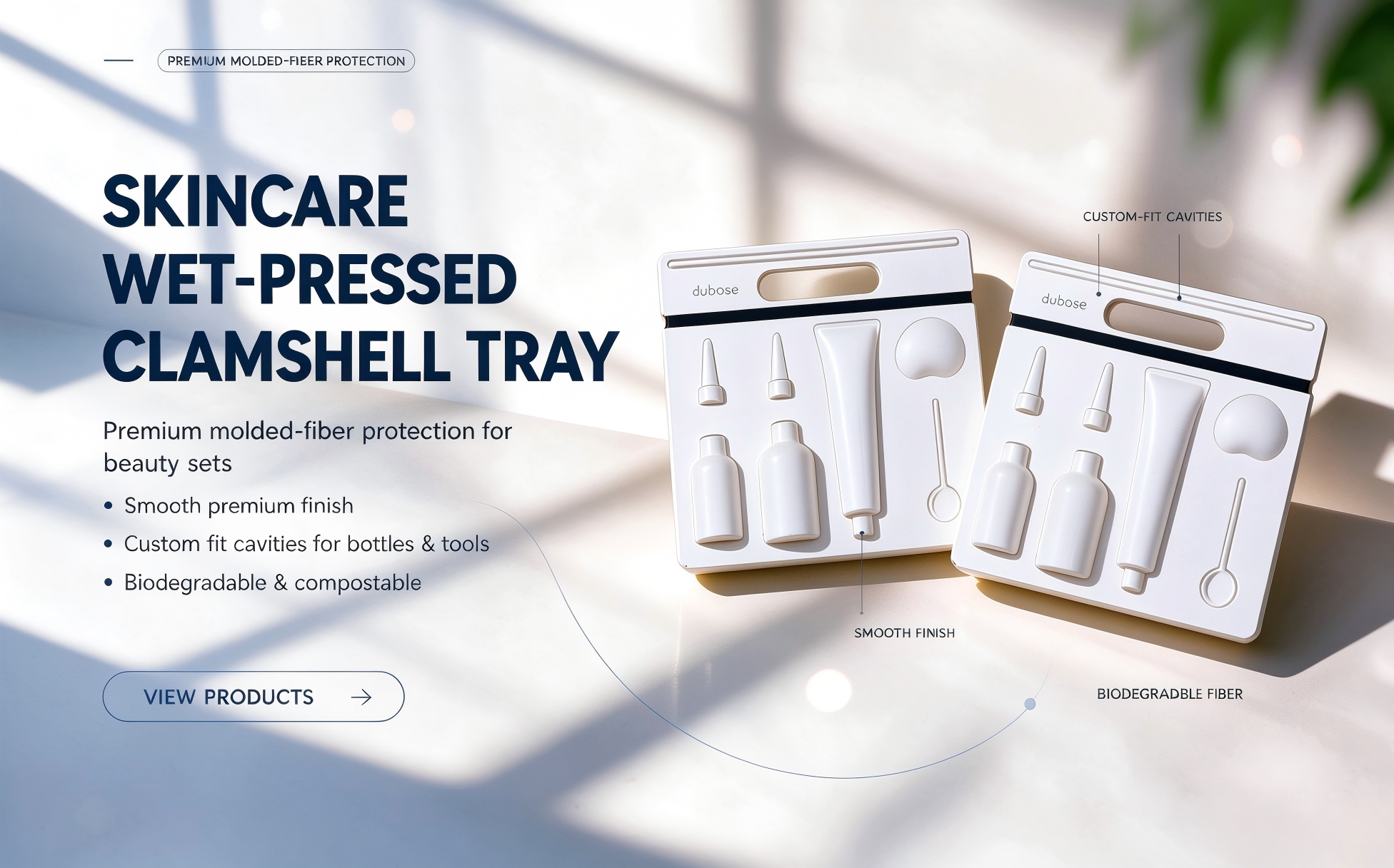
As brands increasingly adopt sustainable packaging solutions, molded pulp is gaining attention as an alternative to plastic inserts. But how can we verify its recyclability? The answer lies in the actual packaging structure and, where appropriate, reliable testing.