

Custom molded pulp packaging has emerged as a critical solution for companies seeking to reduce environmental impact while maintaining product protection. Brands like Lvxin are pioneering advancements that not only make molded pulp packaging more functional but also enhance its aesthetic appeal and cost-efficiency. But what innovations are truly shaping the future of this eco-friendly packaging solution?
Advanced Materials for Better Sustainability
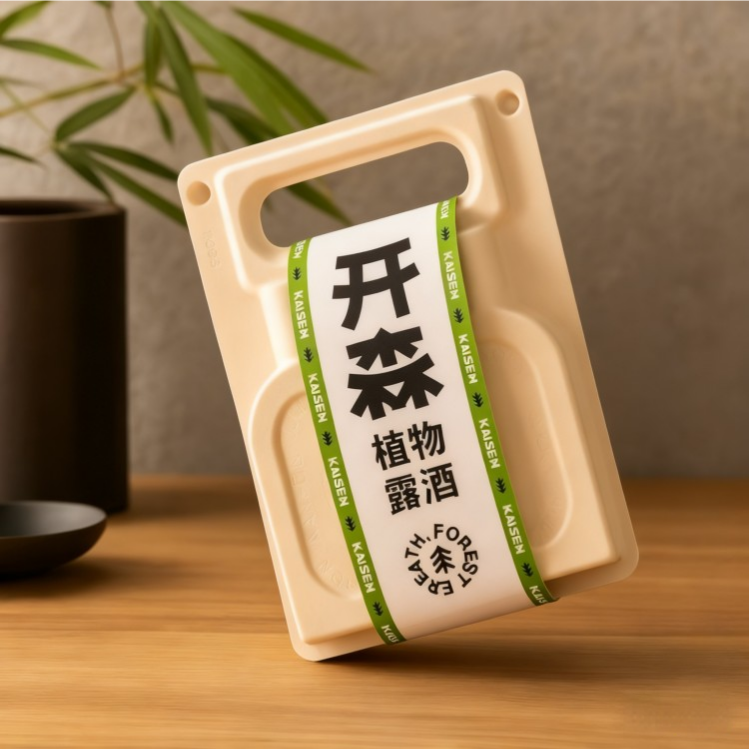
One of the key drivers of innovation in custom molded pulp packaging is the development of biodegradable and recycled materials. Traditionally, molded pulp packaging relied heavily on recycled paper fibers. Today, companies like Lvxin are integrating agricultural waste, such as sugarcane bagasse, wheat straw, and bamboo fibers, into their products. These materials reduce reliance on virgin paper, improve durability, and maintain the biodegradability that environmentally conscious consumers expect. Moreover, research in composite molded pulp materials is gaining traction. By combining fibers with natural resins or biodegradable polymers, manufacturers can produce packaging that is stronger, more moisture-resistant, and lighter—ideal for electronics, food, and cosmetic industries.
Precision Molding Technology
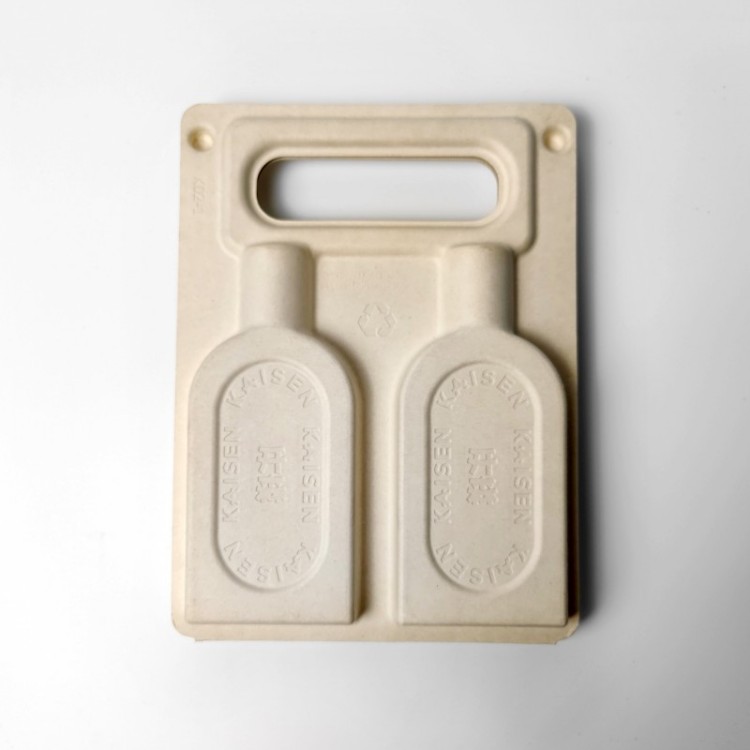
A major limitation of traditional pulp packaging has been its rough, one-size-fits-all approach. Modern innovations focus on precision molding technology, which allows for intricate shapes and consistent dimensions. Companies like Lvxin utilize advanced molds and automated forming systems to produce packaging that precisely fits products, reducing material waste and improving protection during transportation. Additionally, automation and AI-driven design software now allow for rapid prototyping of new packaging designs. This ensures that businesses can iterate quickly, testing custom molds for strength, stackability, and aesthetics before committing to large-scale production.
Integration of Smart Packaging Features
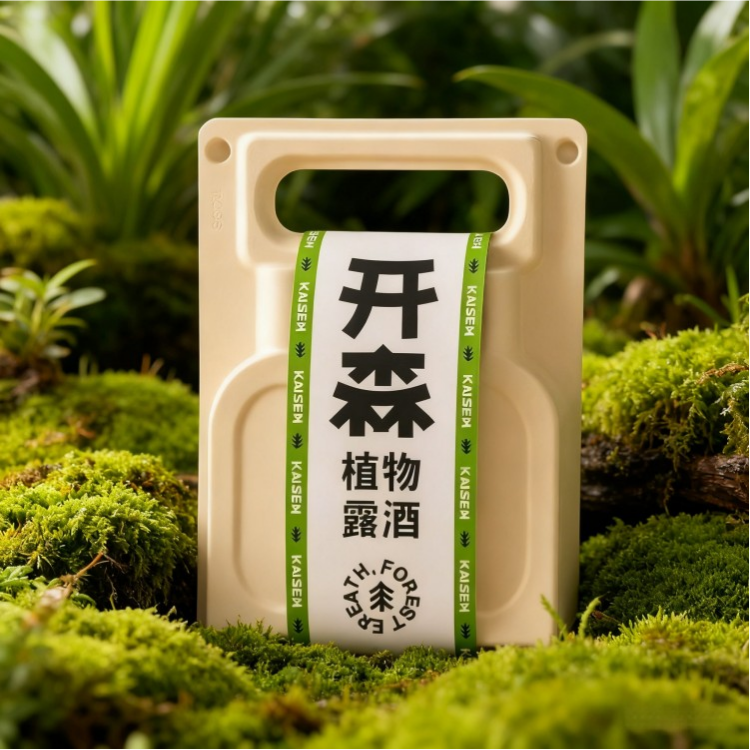
The future of molded pulp packaging is not just about protection and sustainability—it’s about intelligence. Innovations in smart packaging are allowing molded pulp trays to integrate QR codes, NFC tags, and sensor-compatible slots. Brands can embed features that track product freshness, authenticate goods, or enhance the unboxing experience.Lvxin has started experimenting with digital-print-ready pulp packaging, which allows for high-resolution graphics to be applied directly to molded pulp surfaces. This innovation enhances brand storytelling while maintaining eco-friendly credentials, creating a package that communicates premium quality without relying on plastic or additional materials.
Cost-Effective Mass Customization
For molded pulp packaging to become a viable alternative to plastics on a global scale, it must be economically feasible. Innovations in production lines, mold standardization, and material processing are significantly reducing costs. Companies like Lvxin are implementing modular molding systems that allow multiple product types to be produced on the same line without extensive downtime. This approach enables businesses to scale operations efficiently, reducing the per-unit cost and increasing competitiveness against traditional packaging solutions. Moreover, by leveraging digital inventory management, manufacturers can predict demand patterns and adjust production in real time, minimizing overproduction and material waste.
Enhanced Protective Properties
One of the challenges for molded pulp packaging has been meeting the protective standards required by industries such as electronics, glassware, and fragile consumer goods. Advanced shock-absorbing designs and multi-layered pulp constructions now allow custom molded pulp packaging to provide the same level of protection as foam or plastic inserts.
Lvxin has developed proprietary pulp layering techniques that combine stiffness and flexibility in targeted areas, ensuring sensitive products remain secure during transit while minimizing excess material use. This innovation reduces shipping damages, saving costs, and improving customer satisfaction.
Environmental Certifications and Circular Economy
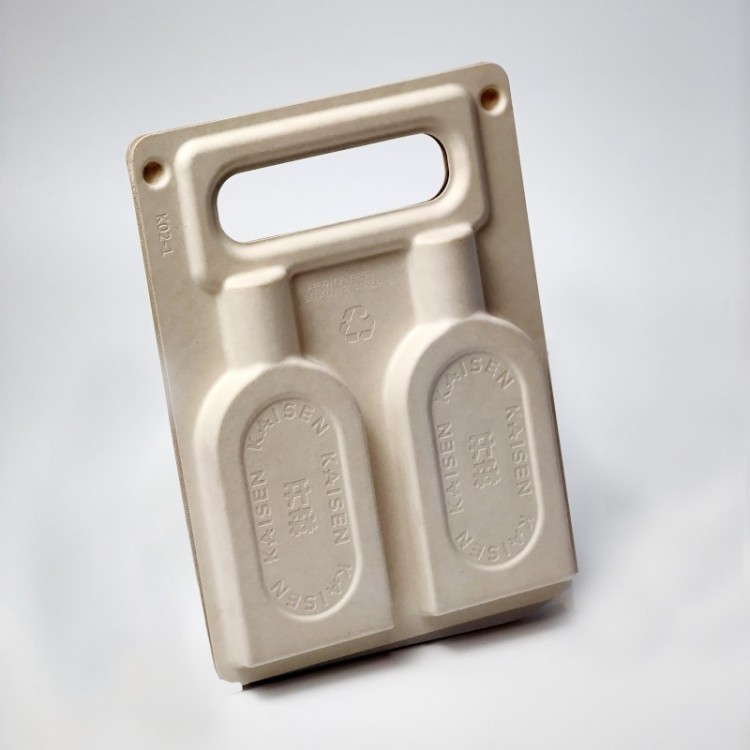
Sustainability is not just about materials—it is about the lifecycle of the packaging. Leading manufacturers, including Lvxin, are pursuing environmental certifications such as FSC, PEFC, and compostable labeling to ensure credibility and market acceptance. In addition, the concept of a circular economy is driving innovation in custom molded pulp packaging. Companies are designing packages that are easily recyclable, compostable, or reusable. For example, some molded pulp trays can be reprocessed back into new packaging multiple times, creating a closed-loop system that minimizes landfill waste.
The Future Outlook
The trajectory of custom molded pulp packaging points toward an integrated solution that combines sustainability, functionality, aesthetics, and intelligence. Brands like Lvxin are leading the charge by embracing material innovation, precision molding, smart features, cost-efficiency, and circular economy principles.
As environmental regulations tighten globally and consumer demand for eco-friendly solutions rises, companies that adopt these innovations early will not only reduce their environmental footprint but also gain a competitive edge. The future of packaging lies in solutions that protect products, enhance brand value, and safeguard the planet simultaneously—and custom molded pulp packaging is uniquely positioned to deliver on all fronts.